Circuit length
5.414 km
Spanish Grand Prix · Spain
F1 circuit guide
Madring is a Formula 1 circuit in Spain associated with the Spanish Grand Prix. Its key figures include a 5.414 km layout, 22 turns, and 57 race laps. This guide covers track statistics, lap records, famous corners, iconic Grand Prix moments, and Formula 1 history.
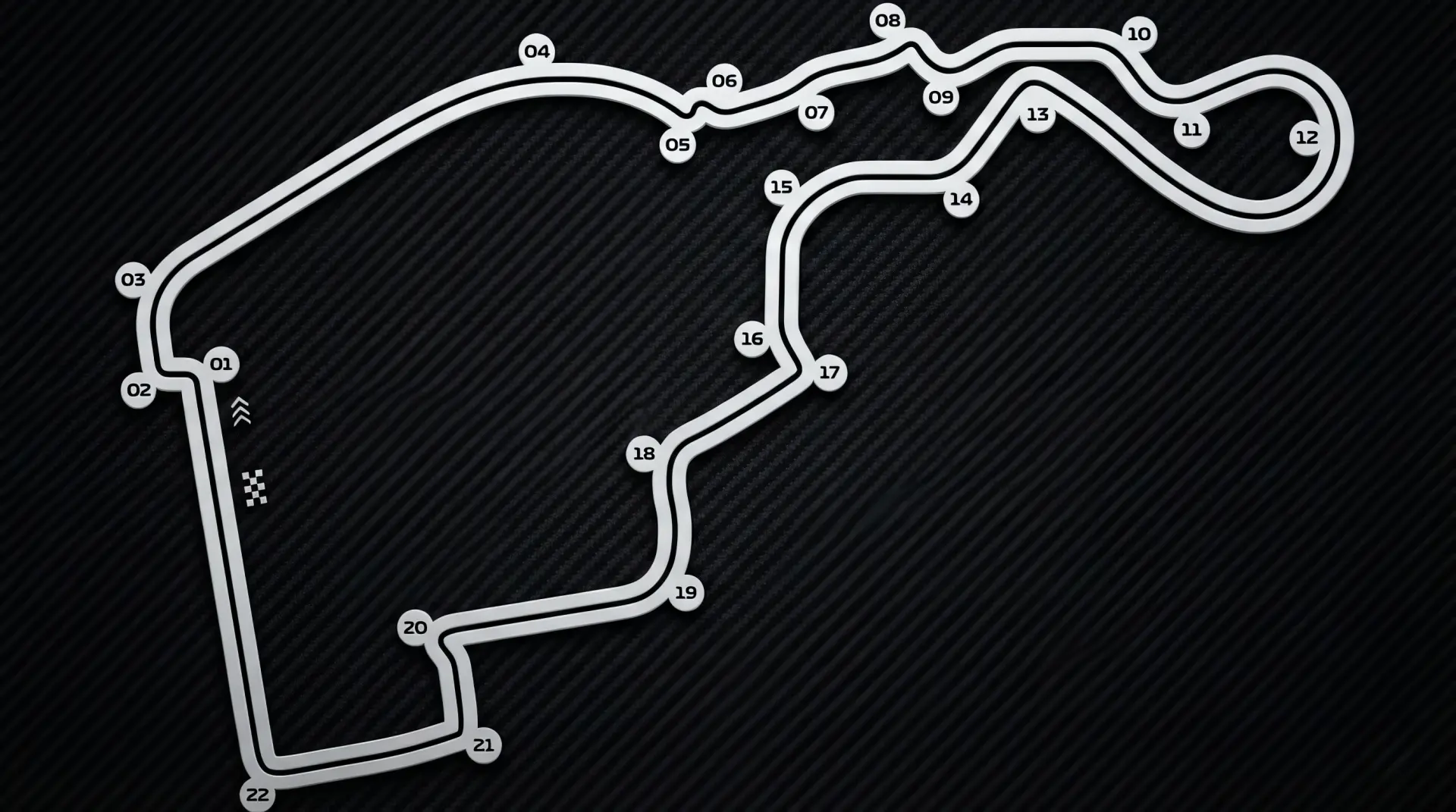
Compare the circuit length, turns, race distance, lap and pole records, driver wins, and elevation details for this Formula 1 track.
5.414 km
22
57
1:35.587
George Russell
Fastest Q3 lap that secured Grand Prix pole on the applicable layout.
1:31.824
Lando Norris
Kimi Antonelli
1 wins
A spectacular, steeply banked 24% corner designed to be taken at high speed, inspired by bullrings and circuits like Zandvoort.
A downhill section that borders the Spanish Civil War forts of La Mata Espesa, expected to be one of the most complex parts of the circuit.
The track will feature two tunnels to connect the permanent and temporary sections of the circuit, passing under a major highway.
Kimi Antonelli won Formula 1's first race at Madring, making history at Madrid's new Grand Prix venue. These official Formula 1 highlights capture the key moments from the circuit's inaugural race.
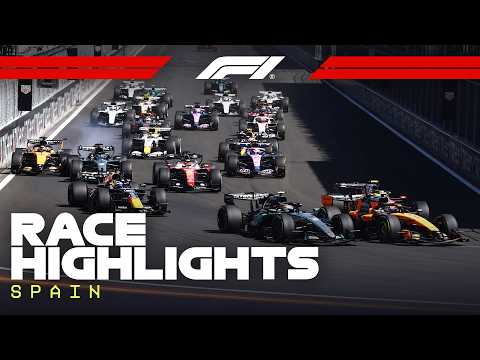 Watch iconic moment on YouTube
The MADRING circuit represents a significant development in Formula 1 history as Madrid's new Formula 1 venue, with the name "Madring" announced on March 10, 2025. The name follows the Formula 1 tradition where "circuits are typically referred to by the city or region where they are located – Monza, Imola, Interlagos, Spa, Silverstone, Miami, Las Vegas".
2024-2025: The circuit was developed as part of a long-term deal to bring the Spanish Grand Prix to Madrid, replacing the previous venue at Circuit de Barcelona-Catalunya.
March 2025: The circuit name "Madring" was officially announced, combining "Madrid" with "ring" to create a distinctive identity for the venue.
April 2025: Construction of the circuit began with a groundbreaking ceremony in Valdebebas, attended by dignitaries including the President of the Community of Madrid Isabel Diaz Ayuso and Madrid-born Williams driver Carlos Sainz, who was announced as the circuit's ambassador.
The MADRING circuit features a 589-metre main straight (the second longest of the layout), with a 202-metre sprint to Turn 1, followed by chicanes where cars decelerate from 320 km/h to 100 km/h. The track incorporates numerous references to Madrid's history, including Turn 3 called "Curva de Hortaleza," named after the Madrid neighborhood that provides the backdrop for the urban section along Ribera de Sena street.
The circuit is being built as the new home of the Spanish Grand Prix starting from 2026, marking Madrid's entry into the Formula 1 calendar and representing a major shift for Spanish motorsport from its traditional Barcelona location.