Circuit length
6.201 km
Las Vegas Grand Prix · USA
F1 circuit guide
Las Vegas Strip Circuit is a Formula 1 circuit in USA associated with the Las Vegas Grand Prix. Its key figures include a 6.201 km layout, 17 turns, 50 race laps, and 20 metres of elevation change. This guide covers track statistics, lap records, famous corners, iconic Grand Prix moments, and Formula 1 history.
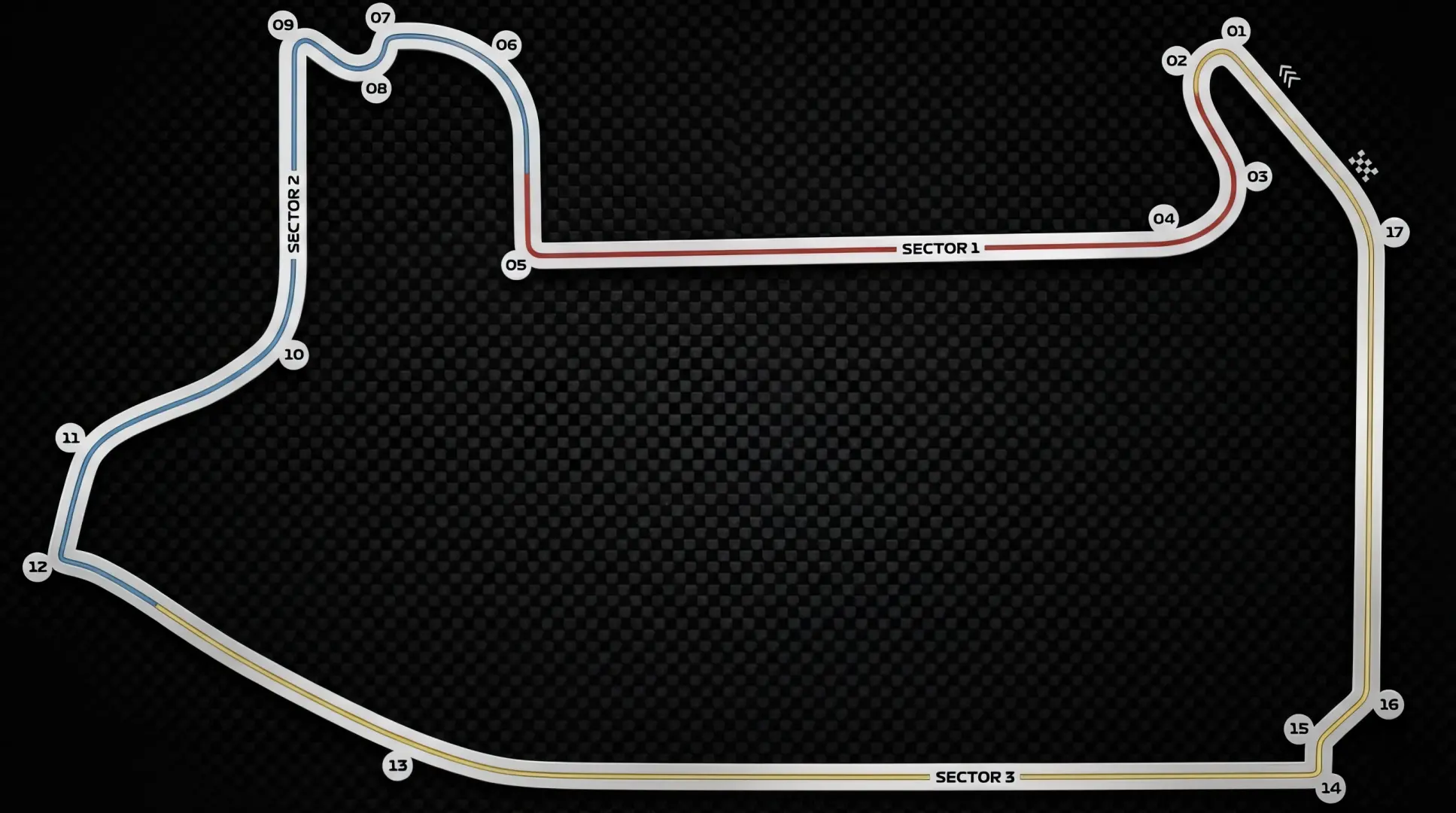
Compare the circuit length, turns, race distance, lap and pole records, driver wins, and elevation details for this Formula 1 track.
6.201 km
17
50
1:33.365
Max Verstappen
Fastest Q3 lap that secured Grand Prix pole on the applicable layout.
1:32.312
George Russell
Max Verstappen
2 wins
20 m
A massive 1.9 km (1.18 mi) straight down the main Las Vegas Strip, one of the longest in F1.
A hairpin corner that wraps around the iconic Sphere entertainment venue.
After a bumpy start with track issues, the first-ever race on the Las Vegas Strip delivered an action-packed spectacle with numerous lead changes and overtakes.
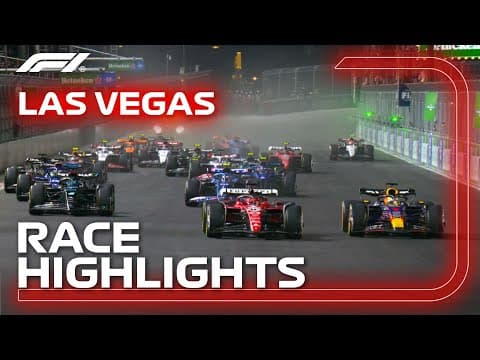 Watch iconic moment on YouTube
The Las Vegas Grand Prix circuit represents Formula One's most ambitious and spectacular street circuit venture into the heart of American entertainment culture. Racing down the iconic Las Vegas Strip, this circuit embodies the sport's determination to capture the American market through pure spectacle and glamour.
Formula One's return to Las Vegas was years in the making, representing a significant shift in the sport's American strategy. Unlike previous attempts to establish F1 in secondary markets, the Las Vegas project aimed directly at the country's entertainment capital, leveraging the Strip's global recognition and tourist infrastructure.
Liberty Media, F1's American owners, had been exploring Las Vegas possibilities since acquiring the sport in 2017. The project gained serious momentum in 2019 when initial discussions began with Las Vegas city officials and major casino operators. The concept was audacious: create a street circuit that would literally race down the most famous street in America, past iconic landmarks like the Bellagio fountains and Caesars Palace.
The announcement came in March 2022, revealing plans for a Saturday night race in November 2023. This timing was strategic, designed to create a premium television product for European audiences while maximizing the entertainment value for American spectators.
The 6.201-kilometer circuit was designed as a high-speed street track, featuring a 1.9-kilometer straight down the Strip itself – the longest straight in Formula One. The layout incorporated three distinct sections: the famous Strip portion, a section through the newer areas around T-Mobile Arena, and a technical section behind the casinos.
The circuit's design prioritized overtaking opportunities, with three distinct DRS zones and several heavy braking areas. The track runs counterclockwise, with 17 corners ranging from high-speed sweepers to tight technical sections. The elevation changes, while modest compared to circuits like Interlagos, added complexity to the driving challenge.
Key corners include the sharp left-hand Turn 5 after the main straight, the technical middle sector around T-Mobile Arena, and the final sector that brings cars back toward the Strip for the long run to the finish line.
Building a Formula One circuit in the heart of Las Vegas presented unprecedented logistical challenges. The construction required coordinating with dozens of casinos, hotels, restaurants, and businesses along the Strip. Temporary grandstands, barriers, and paddock facilities had to be constructed and removed around the city's continuous operation.
The project faced significant local resistance from businesses concerned about disruptions to regular operations. The extended construction timeline, lasting nearly eight months, caused considerable controversy as businesses reported lost revenue from reduced foot traffic and accessibility issues.
The most dramatic incident occurred during construction when a water main break caused a massive sinkhole on the Strip, highlighting the complexities of working within the city's aging infrastructure. These challenges led to budget overruns and delays, with the total investment eventually exceeding $500 million.
The first Las Vegas Grand Prix took place on November 16-18, 2023, marking Formula One's return to the city after the Caesars Palace Grand Prix ran from 1981-1984. The event was positioned as F1's flagship American race, with ticket prices reaching extraordinary levels – some exceeding $10,000 for premium packages.
However, the inaugural weekend was marked by significant controversy. During the first practice session, Carlos Sainz's Ferrari struck a loose drain cover, causing extensive damage to his car and raising serious safety concerns. The incident forced session cancellation and emergency track repairs, creating a public relations nightmare for organizers.
The race itself proved somewhat processional, with Max Verstappen dominating from pole position to victory. While the on-track action was limited, the spectacle surrounding the event was undeniable, with elaborate ceremonies and entertainment befitting Las Vegas's reputation.
The circuit's high-speed nature creates unique challenges for Formula One teams. The long straights demand low-downforce setups, but the technical sections require sufficient grip for competitive lap times. The track surface, built specifically for the event, initially provided limited grip but improved throughout the weekend.
The elevation change, while subtle, affects car balance and engine performance. The desert location creates significant temperature variations between day and night sessions, adding complexity to tire strategy and car setup.
The circuit's street nature means limited run-off areas and unforgiving barriers, placing premium emphasis on driver precision. The high speeds achievable on the Strip straight – exceeding 350 kilometers per hour – create spectacular television images but also safety considerations.
The Las Vegas Grand Prix represents a unique ownership structure in Formula One. Liberty Media directly owns and operates the event, rather than working with a traditional race promoter. This vertical integration allows F1 to capture more revenue but also assumes greater financial risk.
The event's economic impact on Las Vegas has been substantial, with estimates suggesting over $1 billion in local economic activity during the inaugural race weekend. Hotel occupancy rates reached capacity, and the event attracted visitors from around the world.
However, the high ticket prices and corporate focus drew criticism for limiting accessibility compared to traditional Formula One events. The emphasis on hospitality and entertainment over pure motorsport reflected F1's strategy to attract new, affluent audiences.
The Las Vegas Grand Prix received mixed reactions from Formula One's traditional fanbase. While many appreciated the spectacle and ambition of racing on the Strip, others criticized the event's commercialization and the track's limited racing action.
The event successfully generated massive media attention and social media engagement, achieving Liberty Media's primary objective of raising Formula One's profile in America. Celebrity attendance and entertainment programming created cultural moments that extended far beyond traditional motorsport coverage.
Driver reactions were generally positive regarding the track's challenge and the event's atmosphere, though several noted the difficulties of racing on a new street circuit with limited practice time.
The logistical complexity of hosting Formula One in Las Vegas required innovative solutions. Traffic management during race weekend involved coordinating with multiple government agencies and private entities. The temporary nature of much infrastructure required rapid construction and removal schedules.
Security considerations for an outdoor event on the Strip involved federal, state, and local law enforcement agencies. The event's high profile and international television coverage demanded exceptional security planning.
Weather, while generally favorable in November, presented risks from desert wind conditions that could affect temporary structures and track safety.
The Las Vegas Grand Prix is contracted through 2032, with options for extension. Organizers have acknowledged lessons learned from the inaugural event and committed to improvements in subsequent years.
Plans for permanent infrastructure development could reduce setup costs and improve the event's long-term viability. The success of the economic impact may influence other American cities to pursue Formula One events.
The race's position in the championship calendar as a late-season event creates potential for title-deciding drama, which could enhance its sporting significance beyond the entertainment spectacle.
The Las Vegas Strip Circuit represents Formula One's boldest attempt to establish itself as mainstream entertainment in America. While the inaugural event faced challenges, it demonstrated F1's commitment to spectacle and innovation in venue selection.
The circuit's existence reflects broader changes in Formula One's business model, emphasizing direct ownership and premium positioning. Success in Las Vegas could influence similar ventures in other major entertainment markets worldwide.
Regardless of sporting purists' concerns, the Las Vegas Grand Prix has established itself as one of Formula One's most visually spectacular events. Racing past the fountains of Bellagio and the lights of the Strip creates images that transcend traditional motorsport boundaries.
The long-term success of the Las Vegas venture will ultimately depend on balancing entertainment value with competitive racing, maintaining local community relations, and justifying the premium pricing strategy that makes the event financially viable.